
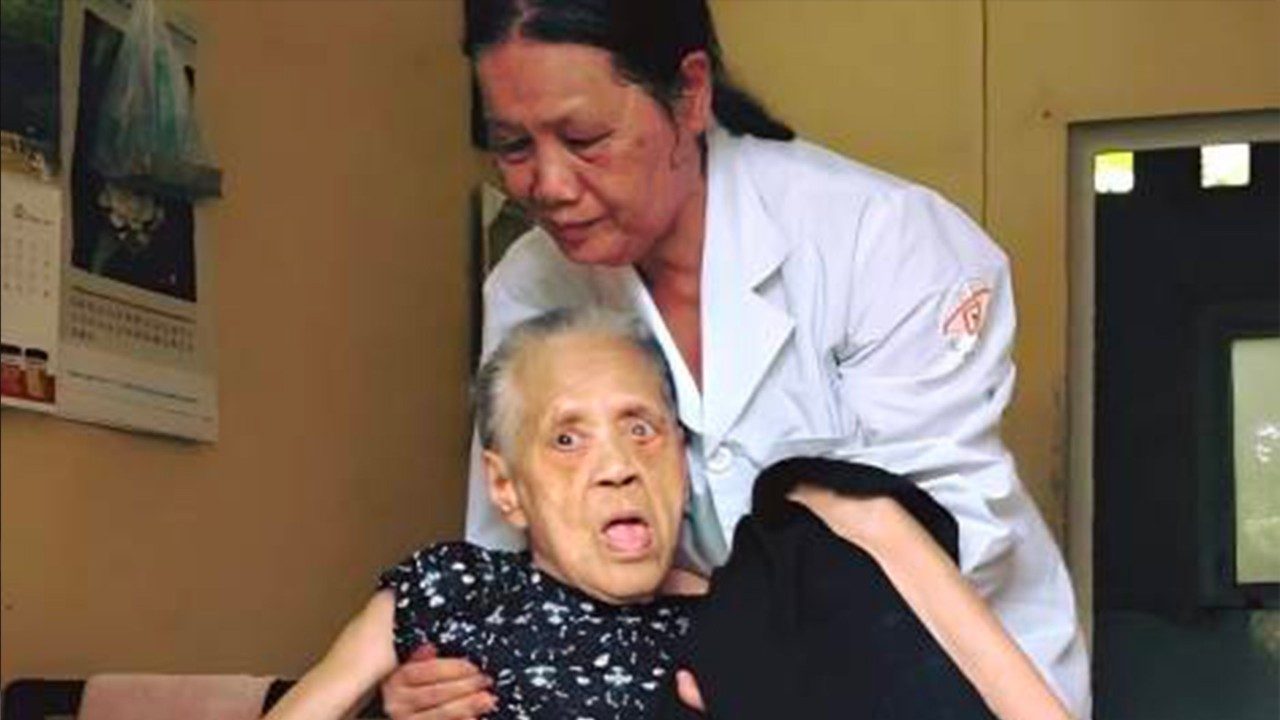

As Hansen’s disease continues to afflict thousands of people in Vietnam, religious sisters offer remarkable examples of hidden compassion and resilience.
By Sr. Christine Masivo, CPS
According to the Vatican’s Fides news agency, Vietnam has achieved notable progress in the fight against leprosy. In 2025, only 38 new cases were recorded nationwide, the lowest annual number ever documented.
This marks a dramatic decline compared to earlier years; between 2012 and 2016, more than 1,000 cases were reported across the country.
Behind the great care given to the people affected by leprosy in this century are the religious nuns, who have devoted their lives to restoring dignity, hope, and community to those who have been marginalized by the community.
Vietnamese progress against leprosy
Health experts attribute these successes to effective treatment and improved community-based management of the disease. Today, all provinces and cities in Vietnam are officially recognized as leprosy-free zones, with only sporadic cases appearing each year.
Approximately 6,000 people across the country continue to live with the lingering consequences of leprosy. Many have recovered from the bacterial infection but still suffer from severe disabilities or chronic pain caused by the disease.
Life in the leper colonies
Most of these patients reside in the facilities historically known as “leper colonies.” More than ten such colonies exist across Vietnam, many established during the early 20th century when fear of contagion forced people with leprosy into isolation.
Places like Quy Hoa, founded in 1929 in central Vietnam, and Bien Hoa, established in 1968 in the south, were built in remote areas to prevent the disease from spreading. Even today, these settlements often lack basic amenities and remain socially isolated.
Many residents are affected by emotional wounds. Leprosy has long carried a stigma that leads to rejection and discrimination. Some elderly patients contracted the disease decades ago and have lived in these colonies for 50 or even 60 years, with no family or home to return to.
Lo Thi Coc, who has been cured of the disease, still struggles with poor eyesight and severe pain in the legs caused by deformities. She remembers the fear and isolation she once faced.
“Back then my family and I were very poor, and no one wanted to be close to us because they were afraid of being infected,” she recalled. “I even thought about running away into the forest to live the rest of my life alone, but thanks to my son’s support, I changed my mind.”
Sister of compassion and care
In these difficult environments, religious congregations like the Lovers of the Cross and the Missionary Franciscans have become the backbone of care for many patients.
Their mission goes far beyond medical treatment. The sisters provide daily assistance, emotional support, and companionship for those who have been abandoned in the society. They also care for the elderly residents and children who have been orphaned or affected by the disease.
“I have no relatives here,” said Joseph That, a 78-year-old patient living at the Ben San leper colony in Binh Duong province. “But the sisters and different organizations help me, so life is a little easier.” His legs were amputated, and now he depends on the help of the sisters.
Another resident at Quy Hoa describes the sisters as defenders for dignity. “The sisters fight for our rights,” he said. “We respect them deeply and consider them like family.
A ministry recognized and supported
The dedication of Catholic sisters caring for people affected by leprosy in Vietnam has gained recognition from both local communities and national authorities.
One notable example is Sr. Anne Nguyen Thi Xuan, born in 1957, who has spent nearly forty years serving patients at the Qua Cam leper colony in Bac Ninh. Her lifelong commitment earned her the Third Class Labor Medal from the President of Vietnam and a commendation from the Prime Minister.
Support for those suffering from leprosy continues through the wider Catholic community in Vietnam. Earlier this year, during Lunar New Year celebrations on February 5, the Diocese of Thai Binh organized a gathering for patients at Dong Tho Chapel in Thai Sa Parish. The event offered companionship, gifts, and a moment of celebration for people who often feel forgotten.
During the gathering, Bishop Dominic Dang Cau encouraged the faithful to show compassion and solidarity, calling it a concrete way to live the Church’s communion.
The diocese is also building a new home for people affected by leprosy, providing safety and dignity.
