Taking Down Barriers
I grew up with a sister with Down syndrome, and I have a son with Autism, and so this has been a part of my story my whole life. I’ve been in a special needs disability family since the day I was born, and so I have lots of different experiences that have taught me a lot about how different this big term of “disability” can look for every individual who has a diagnosis.
The recent census said that one in five families in the US has a family member with a disability. Now, that ranges from Autism to Alzheimer’s. That represents so many different stories and different experiences, but that gives us an idea of the scope. If we are looking in our sanctuaries, in our children’s ministry, and in our student ministry and we are not seeing that number represented, then there are reasons for that. There are barriers that exist that are keeping these families from accessing our churches.

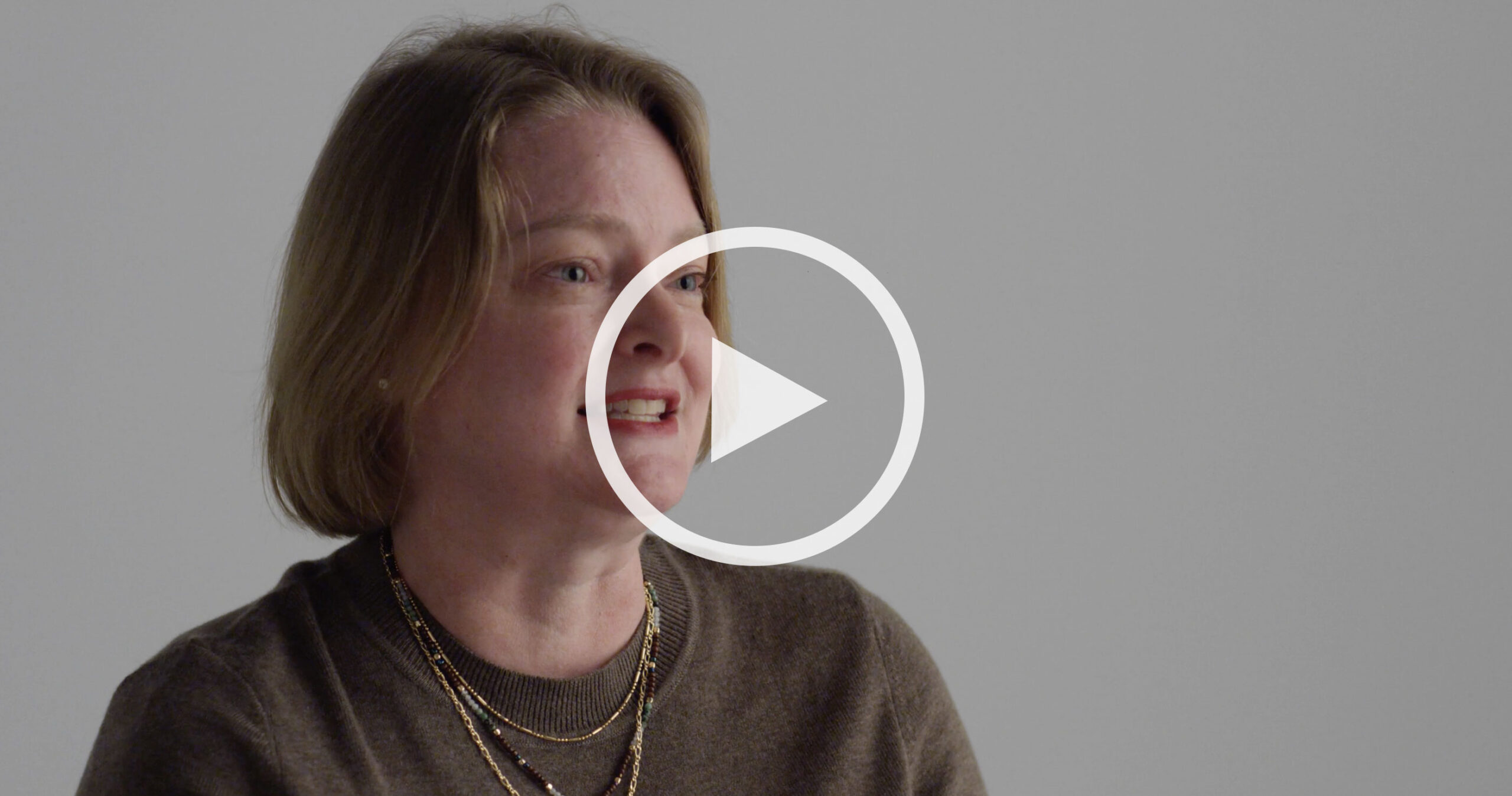
Sharing years of expertise and personal experience as a caregiver, ministry consultant and professor Sandra Peoples shows churches how to remove physical and social barriers to create a welcoming, inclusive space for disability families.
I called our school district and asked, “How many kids do you have in the school district that are under IEP and 504 plans?” (That’s the way that school districts talk about the accommodations that need to be made.) And at our school district, it’s almost 24 percent. And so we should see that number reflected in our children’s ministry and in our youth ministry.
We can put IEP and 504 kids into different categories. We can think of what we traditionally categorize as special needs or disabilities: Down syndrome, like my sister; Autism, like my son; that can be cerebral palsy, blindness, or deafness. There are all kinds of diagnoses that we generally consider when we’re talking about disability.
This idea of accessibility is really just taking down barriers that keep people from being able to participate in our churches.
We also have another category, and that’s learning disabilities. My older son has dyslexia, and that changes what he’s able to do at church. There’s dyslexia and dysgraphia—learning disabilities that need to be accommodated in church settings.
And then there are also behavioral diagnoses—like ADHD, oppositional defiant disorder, or kids with traumatic backgrounds that affect their ability to trust who’s in charge in these environments.
So “disability” is this big word that can mean a thousand different experiences, but it’s really about getting to know each person individually, figuring out what their needs are, and then figuring out how the church can meet those needs.
Sometimes that means we’re making some changes to the sensory environment. Sometimes that means we’re changing the curriculum in our children’s or teenage ministry classes so that they hear, understand, and are able to respond to the gospel.
This idea of accessibility is really just taking down barriers that keep people from being able to participate in our churches, making a way for that to be much easier for them.
Sandra Peoples is the author of Accessible Church: A Gospel-Centered Vision for Including People with Disabilities and Their Families.

