
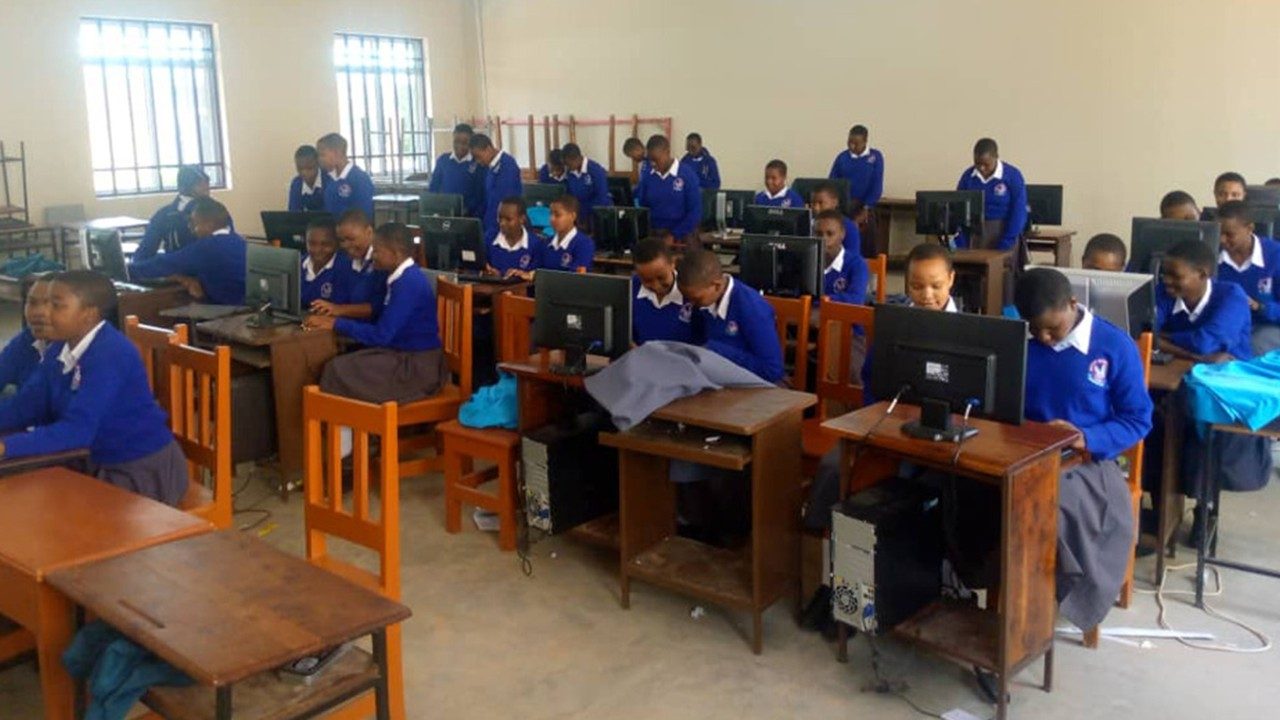
What began as a small rural mission in Singida is now a lifelong source of hope for generations of Tanzanian girls. For decades, the Pallotine Sisters have championed education as a tool for empowering girls and women and transforming communities.
Sr. Ernestina Patrick Lasway SAC – Vatican City.
The Pallottine Sisters arrived in the Diocese of Singida in 1990 from England, responding to an invitation from Pallottine missionary priests who had already been working in Tanzania since the 1940s. Welcomed into Makiungu Parish, the Sisters immersed themselves in parish life, learning KiSwahili and serving the local community through catechesis and education.
Guided by the late Bishop Bernard Mabula, the Sisters soon recognised a pressing need: education for girls was not a priority in the largely pastoralist communities of Singida. In response, they moved to the nearby village of Siuyu in 1994 and later established Pallotti Girls’ School, with a clear mission to uplift rural women through education.

Group photo of the Pallottine Missionary Sisters (Sr. Agripina Mmassy SAC)
Education for underprivileged children
For years, the school has prioritised girls from disadvantaged backgrounds, offering free education to those eager to learn. This option, in turn, opened doors for many girls to continue their secondary school education in a safe, supportive environment close to home. Today, Pallotti Girls School alumnae include doctors, educators, business owners, and leaders who drive positive change within Tanzania and internationally.
Successes and testimonies
“As an alumna, I can testify that, had it not been for the presence of the Pallottine Sisters and going through secondary education at Pallotti Girls, I could not be who I am today, and work as a professional midwife and nurse at the best hospital in Tanzania. Through the sisters, we not only benefitted from the academics, but Christian formation and embracing moral values which help us to work and relate with everyone in the society as children of God,” said Magdalena Vitali, a former student. She added that the boarding school in Singida helped the children, especially girls, avoid early marriage.
Magdalena attests that the education she received from the Pallottine Sisters has been the catalyst for a life-changing transformation, improving not only her personal opportunities but also the wellbeing of her family and community.
Mary Joan Msonza, also a former student, serves as managing director of renowned Tanzanian company through which she has been able to create employment for over 1,300 people. “The foundation I received at Pallotti Girls School continues to influence the leadership, structure, and growth of the organisation I lead,” she said. She added, “The Pallotine way of formation grounded my discipline, integrity, and value-driven leadership style.”
Call to invest in women’s education
Founded in 1838 by St Vincent Pallotti, the Pallottine Sisters continue to live out their charism of reviving faith and awakening love through action. In Tanzania, their mission unfolds through education, healthcare provision, social services, and pastoral work, ensuring education remains a lasting source of hope, dignity, and success for generations to come.
Despite ongoing challenges, especially for girls in marginalised communities, equal access to education is essential for building a skilled, productive nation. The work of the Pallottine Sisters in Tanzania remains significant in this context.
Sr. Juliana Quaras, headmistress of Pallotti Girls School for the past few years, takes pride in the students’ and staff’s efforts to make their students’ dreams a reality. She urges people of goodwill to empower girls from less privileged backgrounds by sponsoring them.
By 2026, Pallotti Girls School had about 500 boarding students and over 5,000 graduates.
Sr. Juliana emphasised that educating girls from poor families must continue, since “educating a girl child is educating the entire society.”
