
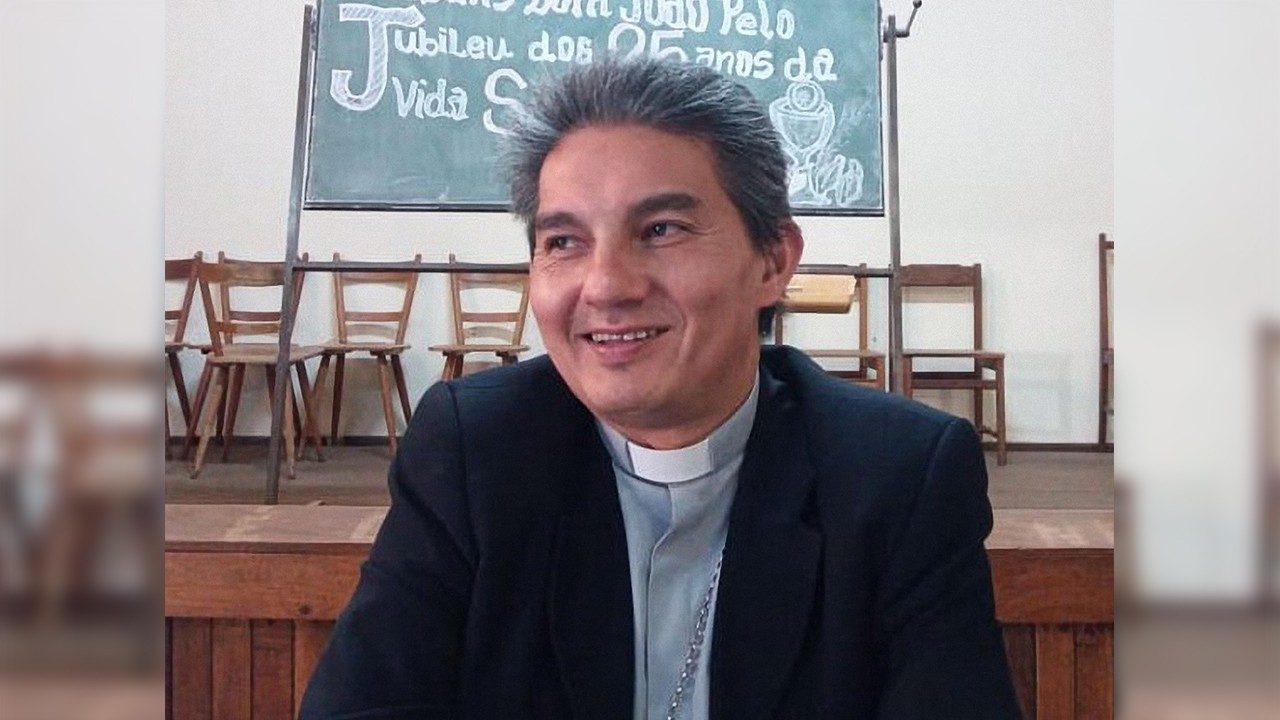
“When we heard the words of the Holy Father, Pope Leo (during the Sunday Angelus), we all felt assured because we felt the solidarity and closeness of the Pope and of everyone here in Mozambique,” Archbishop João Carlos Hatoa Nunes of Maputo Archdiocese has said. He made the remarks in an interview with Vatican News.
Father Bernardo Suate – Vatican City
Mozambique and parts of Southern Africa are reeling from severe flooding due to weeks of intense, unrelenting rainfall that began in December, last year. An estimated 300 people have died in the extreme flooding across parts of southern Africa. At the same time thousands are said to be internally displaced. Mozambique is the worst-hit country.
Pope Leo’s gesture “confirms that the suffering of the Mozambican people is neither invisible nor is the entire Church indifferent to us. When the Holy Father speaks these words, he shows us that what affects the poor, the helpless, children, and vulnerable people is also felt by the universal Church,” said the Archbishop. For him, the voice of Pope Leo gives the drama unfolding in Mozambique visibility. Archbishop João Carlos has since appealed to everyone to respond charitably to those suffering from the floods.
Large areas are submerged
According to Archbishop João Carlos, this time around the floods mainly affected the southern region of Mozambique, specifically Gaza Province (the epicentre). Large parts of the city of Xai-Xai are still submerged. He noted that the Provinces of Maputo and parts of Inhambane Province have also been affected. In the central part of the country, Beira and parts of Zambézia have equally been impacted, in some areas.
“In Maputo alone, more than 235,000 people have been affected by the floods; in Gaza, nearly 500,000 people; in Maputo, 8 people lost their lives, and in Gaza, almost 15, with several others still missing,” narrated Archbishop João Carlos.

Floods in Maputo (ANSA)
People have lost everything
The Maputo prelate says the Church has been at the forefront in trying to help. This includes religious congregations and other Church-related institutions that have rallied to the needs of the people.
Many people suddenly found themselves with nothing when the waters invaded homes and flooded streets, leaving them unprepared and unable to salvage their personal belongings.
Archbishop João Carlos explained that all Mozambican Bishops have been using their office to appeal for solidarity while doing what they can to help. In the meantime, Caritas Maputo has been collecting and processing data to accurately identify affected persons and assess needs.
Early interventions averted the worst
Archbishop João Carlos thanked the many individuals and organisations who rose to the occasion for an unprecedented coordinated rescue response that saved lives. – many lives
For the Maputo prelate, the challenge now is to help people return to their areas or to new government-designated resettlement centres, followed by the phase of reconstruction. He emphasises: “This phase will require more wisdom to see how we do things so that tragedies like these are not repeated.”

Floods in Maputo (ANSA)
Water diplomacy and the future
Flooding is a recurring problem, not only in Mozambique but throughout Southern Africa. Archbishop João Carlos spoke about what could be done in the long term. He suggested a shared community solution approach among Southern African countries. There is also need, he said, for a more robust awareness of the effects of climate change not only in Mozambique but throughout the entire Southern Africa region. Affected countries need to come together in what is sometimes called water diplomacy.
Above all, Archbishop João Carlos believes that, despite the immense suffering caused by the floods, the Church in Mozambique should engage in some introspection and listen to what God is saying through the recent climate-related crises and calamities.
“It’s a call for all of us to conversion of the heart and for everyone to take the care of our common home, the Earth, seriously,” he concluded.
