
As the Church celebrates the Jubilee of Prisoners, the head of the Catholic Mobilizing Network reflects on the dignity of those who are incarcerated and the role each of us has to honor that dignity as Pilgrims of Hope.
By Krisanne Vaillancourt Murphy, Executive Director of Catholic Mobilizing Network*
Last year, on the second day of Christmas, Pope Francis opened the second Holy Door of this Jubilee year at Rebibbia Prison in Rome. How appropriate, then, that this week, his successor, Pope Leo XIV, will preside over the Jubilee of Prisoners, the last major event of this Holy Year.
The “revolution of tenderness” inaugurated by Pope Francis has continued, with Pope Leo calling for a “revolution of love”—a “love that gives itself and does not possess, love that forgives and does not demand, love that helps and never abandons.”
Pope Leo called for this revolution while preaching about the lessons of the Good Samaritan for our world today. “Today, the road that goes down from Jerusalem to Jericho is the road travelled by all those who descend into sin, suffering, and poverty,” he said. “It is the road travelled by all those weighed down by troubles or hurt by life. The road travelled by all who fall down, lose their bearings, and hit rock bottom.”
This Jubilee, themed Pilgrims of Hope, signals the sacred journey that connects these two revolutionary visions of mercy and hope. And it is not surprising that it is bookended by events centered on people who are incarcerated.
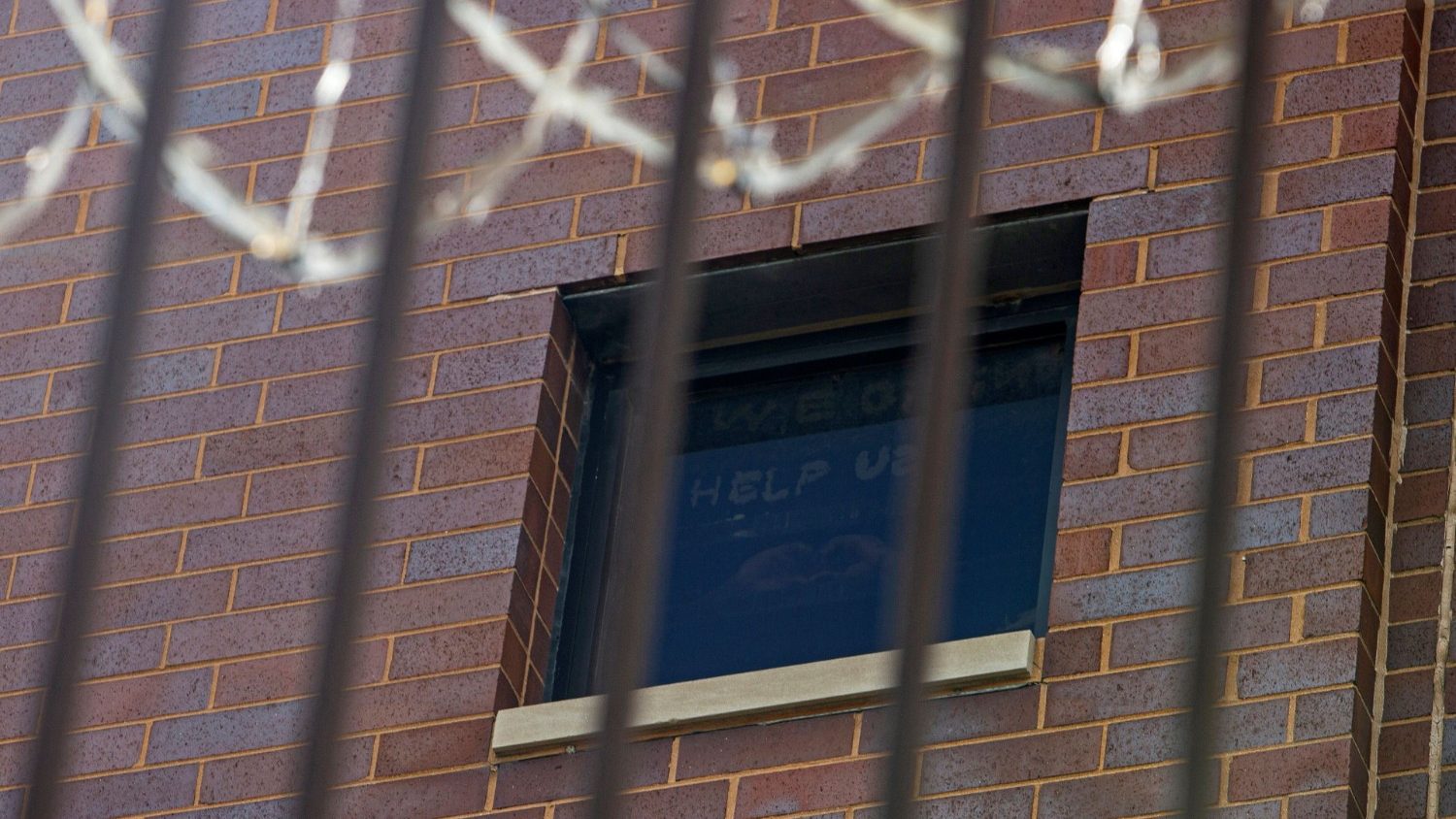
For people in prison—especially those serving long terms, awaiting execution, or living in very difficult confined conditions—hope can be elusive. We can understand why so many feel ignored and discarded.
These are precisely the people that Pope Francis was talking about when he denounced the “throwaway culture.” These are people who feel weighed down, who have fallen down and lost their bearings, as Pope Leo has spoken about.
The Jubilee reminds us that no one is beyond redemption. No human being is to be discarded when it suits our purposes. No one can forfeit their worth or dignity as a child of God. We cling to the hope that this throwaway mentality can be vanquished, that mercy can overcome the desire for vengeance or an imagined community of the morally pure.
Mercy is not for the strong and perfect. This is why visiting our brothers and sisters in prison is one of the corporeal works of mercy. Gospel justice is more than the mere application of the law. In its fullness, justice is about restoring right relationships and redeeming human beings.
We have needed this Jubilee year. This special year of favor reminds us that revenge is contrary to our Christian beliefs and comes at a great cost, paid in real lives.
A purely punitive approach to harm cannot deliver justice. It cannot rebuild relationships and communities. And the death penalty remains a fundamental rejection of Christian hope, mercy, and justice. It betrays a lack of trust in the God of mercy.
As Pope Benedict XVI once wrote, “The one who has hope lives differently; the one who hopes has been granted the gift of a new life.”
In this new life, our eyes must be opened to those who are easy to ignore in our daily lives.
When people are locked away behind bars, they remain our brothers and sisters. The pain of their loved ones is real. The harm they have caused is too often left untreated with no efforts at restoration or healing. We must do better not only for them, but for all who have been impacted by their actions.
We pray that the Jubilee will give us, Pilgrims of Hope, the courage to be present on that road to Jericho today.
Responding with hope and mercy
As Pilgrims of Hope, we can decide how to respond to harm, violence, and crime. We have the ability to choose restoration over retribution, accompaniment over abandonment, and healing over harm. We have the ability to pursue life over death.
This Jubilee Year has illuminated the need for a more complete understanding of justice and has reminded us that we need to be renewed in hope.
Closing out this Jubilee Year with a focus on those who are incarcerated is a powerful reminder that hope is not lost for anyone. Anyone.
Pilgrims of hope respect the dignity of those who are in prison, even if they have done grave harm to others, and refuse to participate in their dehumanization.
Pilgrims of hope denounce inhumane prison conditions, reject the baseless promises of the death penalty, and work to abolish it. Pilgrims on the journey of hope continue to believe that redemption is possible and to create the conditions where the grace of forgiveness might be known.
May this Jubilee of Prisoners remind each of us that whatsoever we do for those who are incarcerated, we do for Christ.
“For I was hungry and you gave me food, I was thirsty and you gave me drink, a stranger and you welcomed me, naked and you clothed me, ill and you cared for me, in prison and you visited me.’ […] ‘Amen, I say to you, whatever you did for one of these least brothers of mine, you did for me.’” (Matthew 25:35-40)
“Pilgrims on the Way of Hope: A Resource for the Jubilee of Prisoners” was drafted by Catholic Mobilizing Network in collaboration with Catholic Ministry Leaders and published by the United States Conference of Catholic Bishops in order to support the celebration of the Jubilee of Prisoners. Download it here.
* Krisanne Vaillancourt Murphy is the Executive Director of Catholic Mobilizing Network, a national organization in the United States that mobilizes Catholics and people of goodwill to end the death penalty, advance justice solutions in alignment with Catholic values and promote healing through restorative justice approaches and practices. For more information and to join the movement, visit catholicsmobilizing.org.
