
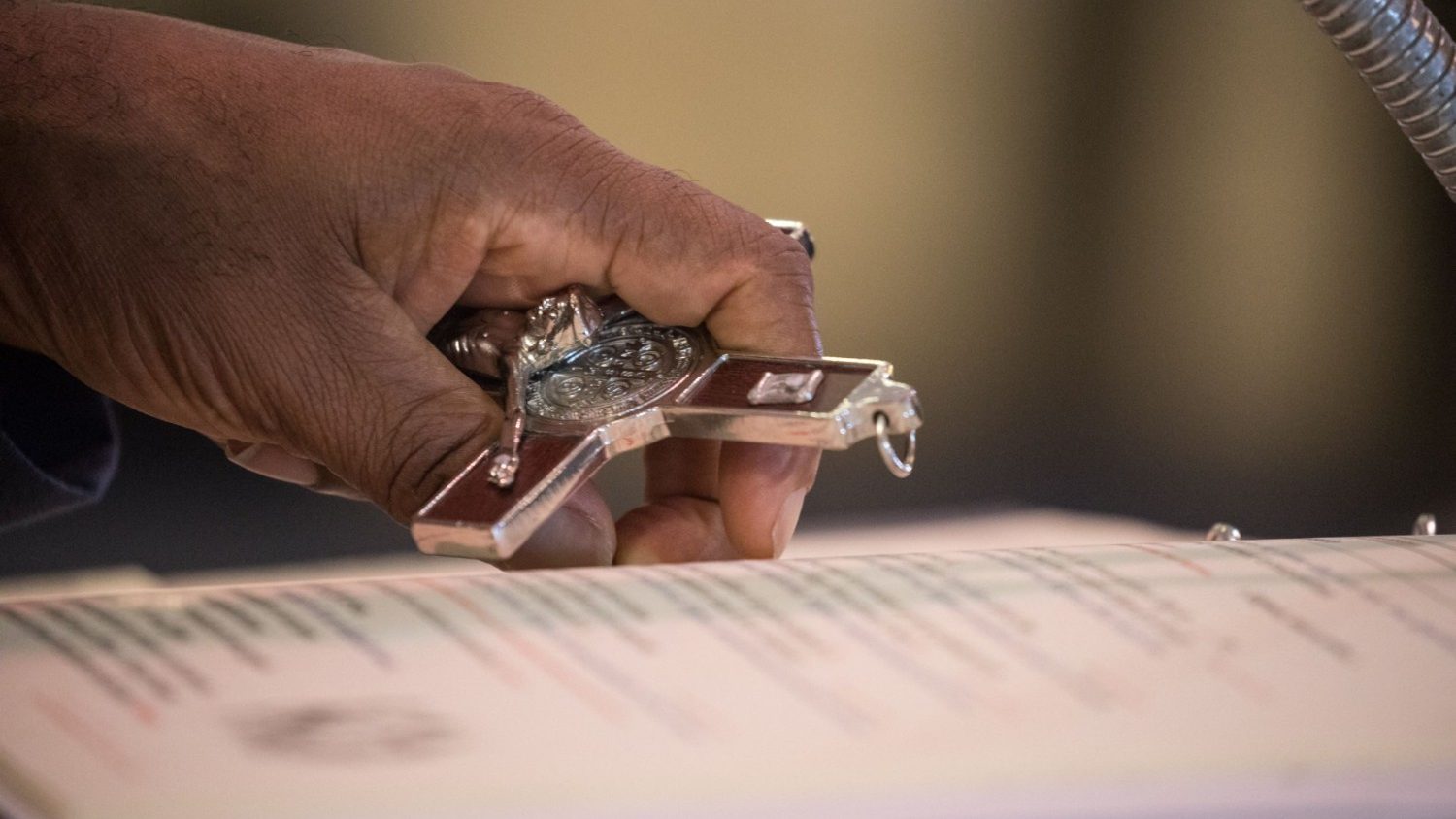
In a message issued on 8 December, the Episcopal Conference of Haiti stress that Christ’s birth can be a source of hope to everyone and call for the upcoming elections to be a chance to “rise above partisan interests”.
By Kielce Gussie
Ahead of the Christmas season, the Episcopal Conference of Haiti (CEH) issued a message with the biblical theme, “The light of Christ shines in our darkness”. In it, the bishops spoke to a population “tested, journeying through the dark of night of uncertainty and pain”. Yet, the statement stressed that the Haitian people are capable of “unexpected achievements.”
The hope of Christmas
In the message, released on 8 December, the CEH highlighted how Jesus was born “in the shadow of poverty”—something they argued with which many people in Haiti can resonate deeply. Especially in the midst of this Jubilee Year of Hope, the bishops noted that Christ’s birth can be a source of hope to everyone.
However, their statement was not one of naivety. It did not call for Christian hope to be an escape from the challenges of reality, nor a “superficial optimism”. Rather, the bishops described this Christian, Christmas hope as a push towards responsible and resolute action.
In Haiti, gang violence has killed at least 4,388 people between January and September, according to the UN’s office in Haiti, BINUH. Some 1.4 million people have been displaced, and more than half of the population of almost 12 million are facing acute food insecurity.

Gang violence has left at least 4,388 people between January and September—according to the UN’s office in Haiti, BINUH (AFP or licensors)
Despite the current challenges in the country, the Haitian bishops encouraged everyone—no matter their vocation or age—to continue their mission to be “peacemakers”.
Another sign of hope that the bishops praised was the 2026 World Cup qualification of the national football team, which they called a symbol of the Haitian people’s capacity to overcome division.
Elections could spark change for future
In light of the violence raging in the country, the “flagrant limitations of institutions”, and the security emergency, the Haitian bishops stressed the call for all political leaders, social actors, public and private institutions to “rise above partisan interests”.
Ahead of the 7 February 2026 elections, the CEH reiterated the central role of the 1987 Constitution, which they called the “law of laws. That date marks the end of the mandate of the Presidential Transitional Council (CPT), and the bishops called for all those involved in politics to use the constitution as a framework to avoid disorder.
They clarified that the upcoming elections can only be “democratic, inclusive, and transparent” if a genuine climate of security is created—something they urged all national authorities to work towards establishing.
Their message also pushed for “a new leadership” built upon integrity, service, and the courage to reject privileges. The country, the Haitian bishops explained, needs leaders who can renounce corruption, resist manipulation, and work for the common good.
Concluding their statement, the CEH entrusted the country to the “Prince of Peace” Jesus Christ and placed Haiti under the protection of the Virgin Mary. The bishops expressed their hope that Christmas will spark renewed hope for meaningful change by 2026.
The message was signed in Haiti’s capital of Port-au-Prince and brought together all the members of the Episcopal Conference of Haiti.
