
As the humanitarian emergency intensifies for severe flooding across Mozambique, the UN Children’s Fund illustrates that children are most affected, and that waterborne illnesses and malnutrition are a ‘lethal combination.’
By Deborah Castellano Lubov
Children are bearing the brunt of the intense flooding that began in early January and has spread across Mozambique, according to the latest data from the UN Children’s Fund, UNICEF.
UNICEF’s Chief of Communication in Mozambique, Guy Taylor, speaking at Palais des Nations in Geneva earlier this week, warned that unsafe water and malnutrition are serious threats.
“Access to the most basic services – such as clean water, healthcare, nutrition and education,” the spokesman warned, “is uncertain or unsafe in most impacted areas. In such conditions, children face higher risks of disease, interrupted learning, and protection risks, particularly for girls and adolescents.”
In particular, Mr. Taylor insisted that waterborne diseases and malnutrition “are a lethal combination.”
“Even before the recent floods,” he said, “almost four out of every ten children in Mozambique were experiencing chronic malnutrition. Renewed disruption to food supplies, health services and care practices now threaten to push the most vulnerable into a dangerous spiral, including risks of acute and severe acute malnutrition, the deadliest form.”

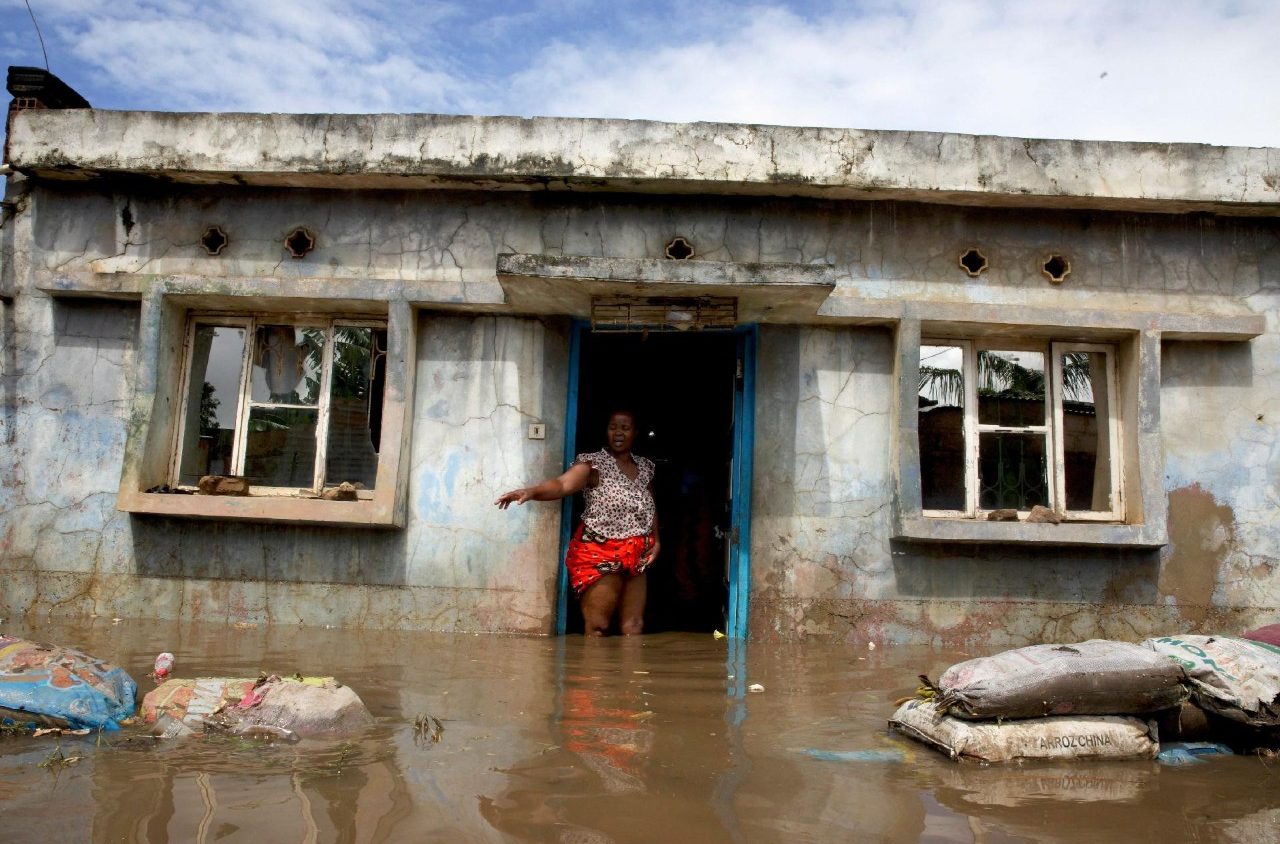
Floods in Maputo (ANSA)
Nearly 600,000 affected by intense floods
As the humanitarian crisis deepens, UNICEF’s latest emergency update reveals that at least 594,000 people have now been affected by flooding across the provinces of Gaza, Maputo and Sofala. More than half of those affected are children, the organization states, as exceptionally heavy rains continue to inundate communities.
UNICEF estimates that around 370,000 people have been internally displaced. Of those, more than 60,000 are sheltering in formal displacement sites, while approximately 310,000 people are staying with host families, and assessments continue.
Limited access for emergency responders
As the rainy season continues, there is mass destruction.
More than 72,000 homes have been flooded, and over 1,600 houses have been damaged or destroyed, leaving many families without safe shelter. Damage to roads, bridges and basic infrastructure is severely limiting access for humanitarian responders.
UNICEF warns that the situation is still deteriorating and the human toll is rising.

Mozambique floods
UNICEF’s efforts to help save children
“Timely support allows UNICEF and partners to scale up safe water, nutrition, health, education and child protection services before conditions deteriorate further. We can prevent disease, deaths, and irreversible losses to scores of children. But we need to act fast.
Mozambique, he reiterated, is a country of children and young people, where more than 17 million are under 18, and the average age is just 17.
Mr. Taylor explained that when floods strike, as they have repeatedly over the past years, the youngest are hit hardest, both in the first days of an emergency and in the months and sometimes years that follow.
Thus, the UNICEF official appealed for solidarity at this time. “For children in Mozambique, what happens in the coming days will determine not only how many survive this emergency, but how many can recover, return to school, and rebuild their futures.”
(Source: UNICEF)
