The Permanent Mission of the Holy See to the United Nations issues a statement warning that when the fundamental freedom of belief is denied, “trust gives way to fear, suspicion replaces dialogue, and oppression breeds violence.”
By Kielce Gussie
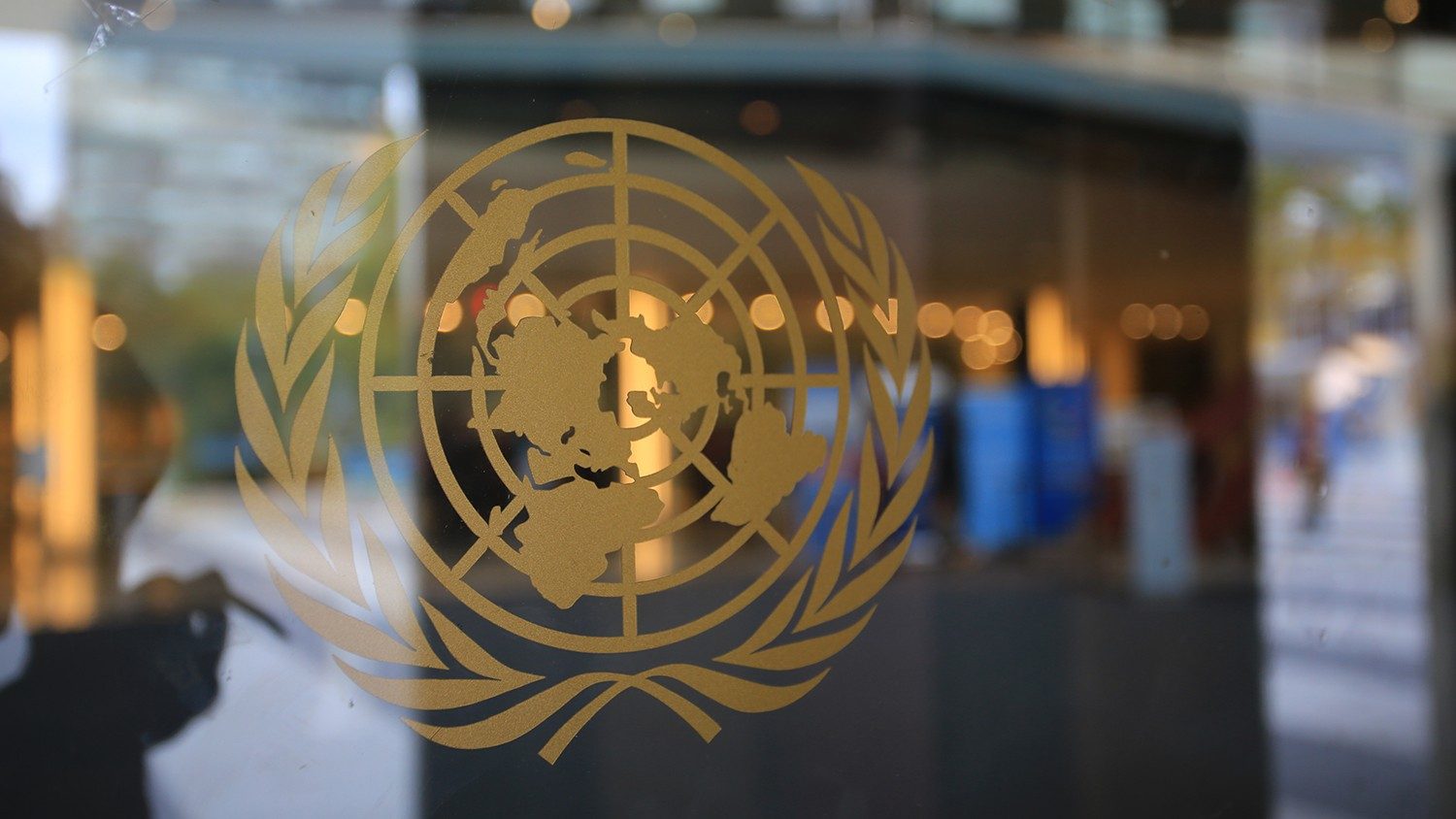
On March 16 at the UN headquarters in New York, the Permanent Mission of the Holy See to the United Nations issued a statement at the High-Level Event marking the International Day to Combat Islamophobia.
It began by welcoming the initiative to have the event dedicated to combating Islamophobia and by expressing the Delegation of the Holy See’s gratitude to the United Nations Alliance of Civilizations and the Permanent Observer Mission of the Organization of Islamic Cooperation to the United Nations for organizing the High-level event.
A slow decay of bonds
The Holy See’s statement highlighted how the “growing instances of intolerance, discrimination and hostility targeting Muslims, Jews, Christians and followers of other traditional religions” are a result of a failure to acknowledge and defend “the right to freedom of religion or belief.”
This right, it argued, is not optional. Rather, it is a “cornerstone of any just society.” The statement referenced Pope Leo XIV’s warning from his address to the delegation of “Aid to the Church in Need” (October 10, 2025) that when freedom is denied, the human person “is deprived of the capacity to respond freely to the call of truth.”
As a result, the Pope stressed, there is a slow decay of the ethical and spiritual bonds which sustain communities—“trust gives way to fear, suspicion replaces dialogue, and oppression breeds violence.”
Both individuals and societies are impacted
The continuation of Islamophobia in the world, the statement continued, is a stark reminder of the urgent need to defend religious freedom. Violence and discrimination against Muslims harm more than individual people.
What is also damaged are “the spiritual, moral, and social fabric of societies at large, weakening the bonds of trust and solidarity that humanity particularly needs in the current international context.”
Today, this discrimination is amplified online, “where hostile narratives can spread rapidly and shape public perceptions.” To combat this, the Holy See’s statement called for better educational programs, particularly dedicated to digital literacy and to helping people develop better critical thinking skills and cultivate a freedom of spirit.
Closing, the statement once again turned to the words of Pope Leo—this time to his address celebrating the sixtieth anniversary of Nostra Aetate on October 28, 2025. The Holy Father emphasized that dialogue is not a tool or tactic, “but a way of life – a journey of the heart that transforms everyone involved, the one who listens and the one who speaks.”
This, the Permanent Mission of the Holy See to the United Nations explained, requires true interreligious dialogue, “enabling differences to become a source of enrichment rather than division and ensuring that no religion is exploited or instrumentalized.”
Against Islamophobia
Over the last few years, data has revealed a rise in Islamophobia. A report from the EU Agency for Fundamental Rights in 2025 reported that one in two Muslims in the EU has experienced racial discrimination, most notably in the labour and housing markets.
Held annually on March 15, the International Day to Combat Islamophobia was first held in 2022 after the UN General Assembly adopted a resolution sponsored by 60 Member-States of the Organization of Islamic Cooperation.
This year’s High-level event was entitled “From Norms to Action: Addressing Islamophobia and Discrimination Based on Religion or Belief – The Nexus to Human Rights”.
About the Author