
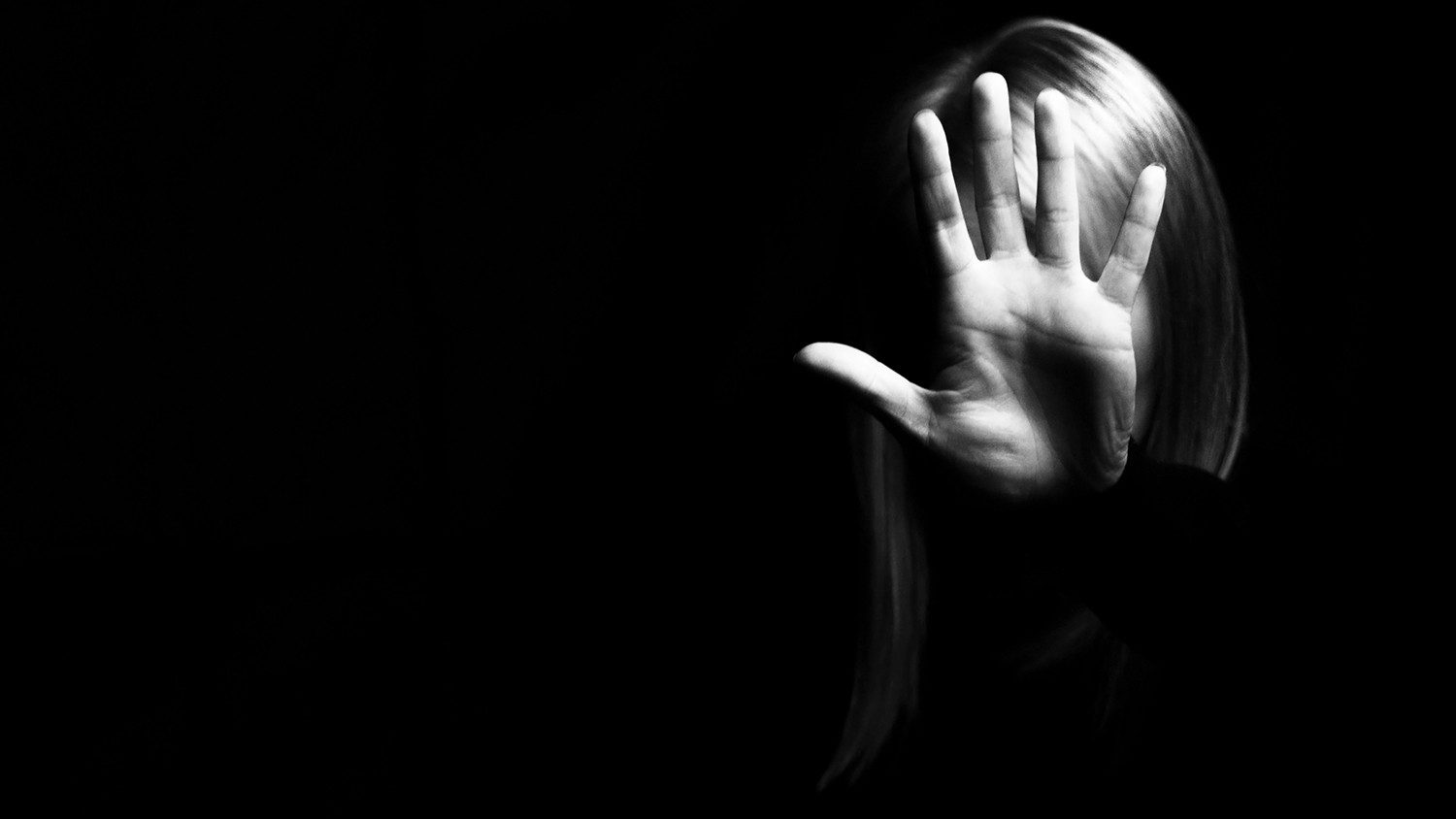
Pope Leo XIV responds to a reader of the monthly magazine Piazza San Pietro who denounces femicides and calls for an alliance between schools and Church to promote “a culture of respect” among young people.
By Salvatore Cernuzio
Pope Leo responded to a reader’s question in this month’s edition of the magazine Piazza San Pietro, made public on March 8, International Women’s Day. The Pope responded, as he customarily does, to a reader who asked him for some help or reflections and guidance on very current issues. In the March issue, the letter is signed by Giovanna in Rome. She writes “with tearful eyes” becoming the spokesperson for the tragedy of many women for whom “loving a man, marrying him, or choosing to live with him and create a family” becomes “a trap.”
“Why?” she asks. “How can we today explain the violence, now far too frequent and painful, that so many men use against the women they say they love? Even to the point of killing them. Brutally, with hatred, as if they were guilty of no longer loving them.”
Leo XIV’s response is long and thoughtful and begins with expressing the feeling of “great suffering” that this issue causes him: “Violence in relationships, and especially violence against women.” The Pope cites Saint John Paul II and the famous expression “the feminine genius,” that should be supported even more in the face of “a world often dominated by violent thinking.”
Women are “protagonists and creators of a culture of care and fraternity that is indispensable for giving a future and dignity to all humanity,” the Pope says. “Perhaps also for this reason” they can be targets of violence today, “struck and killed,” because “they are a sign of contradiction in this confused, uncertain and violent society, because they point us toward values of faith, freedom, equality, generativity, hope, solidarity, and justice.”
These are the “great values” that instead “are opposed by a dangerous mentality that infects relationships, producing only selfishness, prejudice, discrimination, and the will to dominate.”
Already in his Pentecost homily last June 8, also on the occasion of the Jubilee of movements, Leo XIV had denounced this attitude which often leads to violence, as unfortunately demonstrated by the numerous and recent cases of femicide. “Violence, any violence, is the frontier that divides civilization from barbarism,” the Pope stresses.
One must never underestimate an act of violence and must not be afraid to report it, including those places that minimize it or deny responsibility.
Pope Leo also says he was struck by Giovanna’s appeal for work “from the ground up” on culture and the education of young people, so as to help create respect for the women and for others in general for those who are different from us. According to the Roman reader of the magazine directed by Father Enzo Fortunato, this is work that the school system and the Church can carry out together:
“Who else, if not school and Church, can help the new generations by spreading a culture of respect, love, and above all freedom? A message that teaches people not to consider a woman as an object to possess…”
Thus Giovanna calls for “an ever stronger educational alliance,” whose absolute necessity Pope Leo reiterates: “Walking together in mutual respect for our shared humanity is not a dream, but the only possible reality for building a world of light for everyone,” he writes in the letter.
The Church, together with families, schools, parishes, movements and associations, religious congregations, and public institutions, can share the urgency of developing specific projects to prevent and stop violence against women.
From this comes a further appeal, following the one already expressed last November 25 on the International Day for the Elimination of Violence against Women, to “stop the violence,” beginning with “the formation of young people” and trying to “open everyone’s hearts to say that every person is a human being who deserves respect, that dignity for both men and women, for all.”
“We must eliminate this violence,” the Pope concludes, “and seek ways to shape our mindset. We must be people of peace who care for everyone.”
